


ESG Reporting in 2025: Challenges, Opportunities and Strategies for the Event Industry Environmental, Social and Governance (ESG) reporting has become a focal point for businesses and their stakeholders. As sustainability regulations evolve, event organizers face a complex landscape of requirements, voluntary frameworks and market expectations. Understanding this landscape and preparing proactive strategies can ensure that your events meet both legal obligations and stakeholder demands. Canada’s regulatory pause and “green‑hushing” In September 2025, the Canadian Securities Administrators (CSA) paused work on a new mandatory climate‑related disclosure rule in order to support Canadian markets amid uncertainty. This pause, coupled with the new anti‑greenwashing provisions in Bill C‑59, has created what some commentators call “green‑hushing” – businesses are retreating from ambitious public sustainability commitments for fear of legal repercussions. Although mandatory disclosure has been delayed, companies are still required to disclose material climate‑related risks in their annual reports. For event planners, this means that transparent measurement and voluntary reporting remain critical to building trust. Global developments: Europe, the US and Asia While Canada pauses, other jurisdictions push ahead. In Europe, the Corporate Sustainability Reporting Directive (CSRD) is being refined to reduce reporting burden; the EU “Omnibus” package proposes increasing the employee threshold to more than 1,000 and delaying reporting until 2028 for certain companies. In March 2025, the US Securities and Exchange Commission withdrew its proposed climate disclosure rule, but California’s climate disclosure laws (Bills 253 and 261) are moving forward with compliance deadlines starting in 2026. Australia legislated climate‑related financial disclosures aligned with ISSB standards for 2025 year‑ends, while China, Hong Kong, Singapore, Japan, South Korea and Malaysia are progressing toward ISSB‑aligned reporting. For event organizers delivering multinational events or servicing global clients, understanding these differing requirements is essential. Why ESG reporting matters for events Sustainability reporting isn’t just about compliance; it is a strategic driver. EarthCheck observes that sustainable events deliver value across four dimensions: cost efficiency, brand and reputation, compliance and credibility, and long‑term capability. The events industry’s responsibility is enormous—an average conference attendee produces around 1.89 kg of waste per day. By implementing sustainable strategies, organizations can reduce waste and operational costs, strengthen trust with clients and communities and equip teams with skills to deliver better outcomes. Generational expectations amplify these benefits: TSNN notes that Millennials and Gen Z attendees prioritise sustainability, diversity and social impact. Failure to transparently report sustainability efforts risks disengagement and reputational damage. Strategies for effective ESG reporting Collect and verify data. Accurate measurement of energy use, waste generation and emissions is essential. Tools like TRACE capture emissions data aligned with GHG Protocol and GRI standards, simplifying reporting. EarthCheck notes that accurate data helps tie procurement choices to financial outcomes and demonstrates that sustainability is economical. Align with recognised frameworks. Use reporting standards such as ISSB, GRI and ISO 20121. Even in the absence of mandatory rules in Canada, these frameworks provide consistency and comparability. Be transparent and avoid greenwashing. Canada’s Competition Bureau requires that environmental claims be substantiated with adequate testing and internationally recognised methodology. Avoid vague language and provide data to support claims. Engage stakeholders and tell a story. TSNN suggests using real‑time dashboards, public progress reports and interactive programs to engage audiences and showcase transparency. Storytelling—highlighting community benefits, attendee involvement and positive outcomes—adds human relevance to reports. EcoPulse: Your partner in transparent ESG reporting EcoPulse provides a comprehensive platform for ESG reporting. Its real‑time dashboards capture energy, waste, transport and social metrics, producing exportable reports aligned with GHG Protocol, ISSB and ISO 20121. The platform’s AI recommendations help planners improve performance before and during events, making it easier to meet or exceed future regulatory requirements. Vendor profiles include certifications and sustainability credentials, ensuring supply‑chain transparency. By centralizing data and storytelling tools, EcoPulse enables planners to report accurately, avoid greenwashing and communicate impact effectively. Conclusion ESG reporting in 2025 may feel like a moving target, with Canada’s regulatory pause contrasted by global momentum. Yet the direction is clear: stakeholders expect transparency, accuracy and accountability. By collecting robust data, aligning with recognized frameworks and telling authentic stories, event professionals can turn reporting from a challenge into a strategic advantage. EcoPulse equips planners with the tools to navigate this landscape, ensuring that their events not only comply with regulations but also demonstrate leadership in sustainability.

From Waste to Worth: Embracing Circular Design and Carbon‑Negative Events
From Waste to Worth: Embracing Circular Design and Carbon‑Negative Events The era of linear “take‑make‑dispose” events is ending. As the climate crisis accelerates, the event industry is moving towards circular design and carbon‑negative operations. Sustainability experts note that carbon‑neutral events are giving way to carbon‑negative initiatives, where more carbon is removed from the atmosphere than emitted.For event planners, embracing circularity and regenerative practices isn’t just a trend, it’s an imperative. Beyond carbon neutrality: carbon‑negative events Carbon‑negative events go further than neutrality by actively removing carbon from the atmosphere. The UK’s Net Zero Festival partnered with carbon capture companies to offset double its emissions. Planners can replicate this by funding reforestation projects, integrating carbon capture technology and employing regenerative strategies such as green rooftops and biochar soils. TSNN’s sustainability trends report notes that global event operators are setting net‑zero or carbon‑negative targets and aligning with the Net Zero Carbon Events Initiative . Risks include political pushback and the credibility of offsets. To mitigate these risks, planners should select high‑quality, verifiable offsets and transparently communicate their approach. Circular design and zero‑waste principles Circularity aims to eliminate waste by designing events that keep materials in use. TSNN notes that venues and organizers are replacing single‑use items with reusable, recyclable or compostable alternatives and designing to minimize waste from the outset. Exhibitors are encouraged (and sometimes required) to move away from single‑use booths through modular, reusable builds. Suggested actions include sourcing locally and early to navigate supply‑chain challenges, partnering with venues and haulers that have proven waste diversion practices, and educating exhibitors and contractors on reusable designs. Circularity also extends to decor and furnishings. Destination Canada’s Sustainability Storybook highlights LouLou Lounge Furniture Rentals’ “Felicity” line, the first collection of chic furniture in Canada made from upcycled maple recovered from construction scraps. This collaboration reduces waste and supports local small businesses and jobs. Such innovations show how circular design can create stylish experiences while reducing environmental impact. Renewable and regenerative energy solutions Circular events rely on clean energy. Hydrogen fuel cells and battery storage systems are increasingly used to power stages, lighting and AV equipment. Solar‑powered venues, like the Glasgow SEC Centre, demonstrate the feasibility of running large events entirely on renewable energy. AI‑driven sustainability tracking helps manage these systems: at IBM’s Think Conference, AI monitored energy efficiency and waste reduction, enabling immediate adjustments and reducing energy consumption by up to 30 %. How EcoPulse supports circular events EcoPulse’s vendor marketplace features eco‑certified suppliers offering upcycled décor, modular booths, reusable service ware and renewable energy solutions. The platform’s AI planning engine can recommend carbon‑negative strategies, such as partnering with carbon capture providers or funding reforestation projects. Real‑time ESG dashboards track waste diversion, material reuse and energy sources, ensuring that circular practices deliver measurable results. By connecting planners with regenerative solutions and providing data for transparency, EcoPulse enables a shift from waste to worth. Conclusion Circular design and carbon‑negative goals redefine what a sustainable event looks like. By embracing reusable materials, upcycled furnishings and regenerative energy solutions, planners can transform waste streams into value streams. Transparent, verified carbon offsets and collaboration with innovative suppliers help mitigate risks and strengthen credibility. EcoPulse makes it easy to incorporate circular principles into every stage of planning, turning sustainability into a competitive advantage. The future of events is circular – and the time to adopt these practices is now.

Data‑Driven Sustainability: AI and Analytics Transforming Event Planning in 2025
Data‑Driven Sustainability: AI and Analytics Transforming Event Planning in 2025 The event industry is undergoing a technological revolution. Data‑driven decision‑making and artificial intelligence (AI) are enabling planners to create tailored experiences while optimizing resources and reducing environmental impact. According to Event Industry News, data‑driven event management is revolutionizing the industry by shifting decisions from intuition to insights; real‑time analytics optimize visitor flows and post‑event insights improve future events. Meanwhile, AI is becoming indispensable, personalising experiences and analysing data in real time Why data‑driven events matter Traditional event planning often relies on intuition. With sustainability now central to event design, data provides the evidence needed to optimize outcomes. By analysing attendee behaviour, preferences and movement, planners can allocate resources such as transport, catering and energy more efficiently. Event Industry News notes that data reveals what participants truly want and helps avoid overcapacity. During an event, real‑time analytics allow adjustments that enhance the attendee experience while reducing resource use. After the event, data informs improvements—providing insights into participant satisfaction, ROI and environmental metrics. AI as a game changer AI is transforming every aspect of event planning. Event Industry News emphasises that AI optimises processes, personalises experiences and analyses data in real time, becoming a critical success factor.The IBTM World report notes that AI‑powered solutions now provide hyper‑personalised session recommendations and networking opportunities based on attendee behaviour patterns. Chatbots and virtual assistants handle registration, check‑ins and attendee queries, freeing planners to focus on strategy. AI tools can also tailor event communications for different audience segments, improving engagement. The result is a seamless attendee journey that balances efficiency with personalization. Importantly, AI should complement human creativity rather than replace it. Event Industry News warns that over‑reliance on AI can lead to homogenized experiences in the “Age of Average,” where patterns from the past are reproduced. To stand out, brands must balance technology with authentic storytelling and bespoke design. Advanced event technologies Beyond AI, a suite of technologies supports sustainable event planning. IBTM World explains that event technology now includes AI personalisation engines, immersive augmented/virtual reality experiences, blockchain‑based security systems and sophisticated data analytics platforms. These tools automate administrative tasks, manage budgets and enhance attendee engagement. Data dashboards, identified as a trend in the TSNN sustainability report, track environmental impacts and drive accountability. For example, TRACE captures emissions and waste data across event operations, aligns reporting with the GHG Protocol and GRI standards and provides real‑time analytics. Such tools empower planners to monitor and reduce carbon footprints while meeting stakeholder expectations for transparency. EcoPulse: AI‑powered planning and ESG tracking EcoPulse leverages AI and analytics to deliver sustainable events. Its AI‑powered planning engine analyses historical data and attendee profiles to recommend low‑carbon venues, optimize schedules for energy efficiency and personalize content. Real‑time ESG dashboards monitor energy consumption, waste generation and transportation emissions, enabling on‑site adjustments. EcoPulse also integrates carbon measurement tools like TRACE, providing planners with GHG Protocol‑aligned metrics. By combining data, AI and sustainability insights, EcoPulse helps planners create events that are both engaging and environmentally responsible. Conclusion Data and AI are transforming event planning, enabling personalized experiences and optimized resource use. By embracing analytics and balancing technology with human creativity, planners can deliver memorable events that meet sustainability goals. Platforms like EcoPulse provide the tools to harness data and AI effectively, ensuring that your events are smarter, greener and tailored to your audience. In 2025 and beyond, the winning formula combines insight‑driven planning with authentic storytelling—technology and humanity working in harmony.

Canada’s Pioneering Approach to Sustainable Business Events: Lessons for Planners
Canada’s Pioneering Approach to Sustainable Business Events: Lessons for Planners Canada has become a global leader in sustainable business events. Destination Canada’s Business Events Sustainability Plan envisions meetings and conferences as catalysts for positive environmental, sociocultural and economic impact. As sustainability shifts from differentiator to essential requirement, Canada’s approach offers lessons for planners worldwide. A national sustainability framework The Canadian Business Events Sustainability Plan sets a course for events that leave an enduring positive legacy. The plan is supported by a Sustainability Storybook featuring real‑world solutions and practical tools from across Canada, inspiring planners to “plan with purpose.” It aligns events with the United Nations’ 17 Sustainable Development Goals, emphasizing the interconnectedness of environmental, social and economic outcomes. By integrating sustainability into tourism and event strategies, Canada is positioning itself as a model for responsible destination management. Real‑world innovations: upcycled furniture and incentive funding Innovation on the ground shows how sustainability translates into practice. In Ottawa, LouLou Lounge Furniture Rentals partnered with Ottawa Tourism to create the “Felicity” line a collection of chic event furniture made from upcycled maple recovered from construction scraps. The collaboration not only reduces waste but supports local small and medium enterprises and contributes to Ottawa’s circular economy. In Halifax, an incentive framework rewards planners who implement sustainable practices such as zero waste, sustainable catering and energy efficiency. Incentives include monetary discounts, recognition, value‑added benefits and partnerships with local sustainable businesses, helping planners overcome cost barriers while enhancing brand reputation. Industry insights from Virginie De Visscher Conference & Meetings World interviewed Virginie De Visscher, executive director of Business Events at Destination Canada. She highlighted that Canada hosted around 2,555 business events in 2024, welcoming about 1.2 million delegates and generating approximately $47 billion in direct economic impact. Canada’s strategy has yielded a 72 % success rate in securing international events and includes ambitious net‑zero goals for 2030. De Visscher noted that attendees increasingly seek immersive, meaningful experiences rooted in community benefits, social connection and cultural enrichment. Sustainability has moved from a unique selling point to an expected standard; planners must therefore offer authentic programming such as Indigenous fashion showcases, local food experiences and community engagement projects EcoPulse: Supporting Canada’s sustainable vision coPulse aligns seamlessly with Canada’s sustainability framework. Its vendor marketplace connects planners with local, eco‑certified suppliers—whether upcycled furniture makers, renewable energy providers or Indigenous‑owned businesses. The platform’s AI‑powered planning engine can design immersive experiences that highlight community culture while minimizing environmental impact. Real‑time ESG dashboards track carbon footprints, waste diversion and social outcomes, supporting Destination Canada’s emphasis on transparency and accountability. Incentive programs can be integrated into budgets, and planners can demonstrate their event’s contribution to local economies and cultural preservation. With EcoPulse, planners can adopt Canada’s leading practices wherever they operate. Conclusion Canada’s approach to sustainable business events shows that environmental stewardship, cultural enrichment and economic vitality can go hand in hand. By adopting a comprehensive framework, investing in circular innovations and centering community benefits, Canadian destinations are redefining what successful events look like. For planners worldwide, the lesson is clear: sustainability must be embedded at every stage, supported by data, authentic partnerships and targeted incentives. EcoPulse makes these practices accessible, enabling events that honour people, planet and profit. Join the movement and make your next event part of this sustainable legacy.

Beyond the Badge: Navigating ISO 20121:2024 and Sustainable Event Certifications
Beyond the Badge: Navigating ISO 20121:2024 and Sustainable Event Certifications Event sustainability is no longer optional. The latest event‑industry research shows that sustainability has become the standard, with legal requirements such as the European Corporate Sustainability Reporting Directive (CSRD) driving compliance. ISO 20121, the international standard for sustainable event management, was updated in 2024, linking events more closely with the United Nations’ 17 Sustainable Development Goals (SDGs). For event planners, understanding certifications and standards can provide a roadmap to credible sustainability. What’s new in ISO 20121:2024 ISO 20121:2024 emphasises strategic integration of sustainability into event planning rather than add‑on initiatives. The updated standard aligns event objectives with the UN SDGs and encourages planners to adopt tools like the “SDG Event Compass,” which integrates sustainability into event strategies. This means that planners must consider environmental, social and economic impacts throughout the event lifecycle, from venue selection to post‑event reporting. Agile event management practices complement ISO 20121 by incorporating iterative processes and continuous feedback to minimize waste and optimize resources. EIC Sustainable Event Standards and SEPC The Events Industry Council (EIC) offers Sustainable Event Standards that serve as a globally recognized framework for organisations, venues and suppliers seeking to embed sustainability into their operations. The standards assess areas such as organisational management, marketing and engagement, climate action, water management, materials and circularity, supply‑chain management, diversity and inclusion, accessibility and social impact. Updated in 2025, the standards emphasise guidance and metrics and were developed through a global collaborative process involving more than 300 professionals. Certification requires third‑party verification and offers four levels (Foundations, Bronze, Silver, Gold, Platinum). To build individual capability, EIC also offers the Sustainable Event Professional Certificate (SEPC). The SEPC programme equips event professionals with practical knowledge in environmental stewardship, sustainable supply‑chain management and social equity. Certified individuals signal to clients and employers that they can lead sustainable practices, enhancing the credibility of the organisations they represent. The business case for certification Why invest in certification? EarthCheck notes that events shape an organisation’s reputation and that sustainable events have become powerful signals of leadership and values. Average conference attendees generate about 1.89 kg of waste per day, meaning a four‑day, 600‑delegate conference can produce almost five tonnes of waste. Implementing sustainable practices not only reduces this footprint but also delivers stronger business outcomes: lower costs, waste reduction, improved trust and long‑term capability. EIC’s standards emphasize social responsibility, encouraging inclusive and equitable events, which can enhance attendee satisfaction and community relations. Moreover, a survey of event professionals found that 71 % improved sustainability primarily for brand reputation and public image, while 47 % sought a competitive advantage. In other words, certification isn’t just about compliance—it’s a strategic differentiator. How EcoPulse supports certification EcoPulse streamlines certification by embedding ISO 20121 and EIC standards into its planning workflow. Its AI‑powered tool guides planners through goal setting, stakeholder engagement, risk assessment and monitoring, ensuring alignment with certification criteria. The platform’s vendor marketplace features suppliers that meet ISO 20121, LEED or EIC Sustainable Event Standards, making it easy to source certified venues, caterers and décor. Real‑time ESG dashboards track performance metrics, offering the data needed for audits and continuous improvement. EcoPulse also supports staff training, helping teams understand sustainability principles and fulfill SEPC requirements. Conclusion Certification transforms sustainability from aspiration to practice. ISO 20121:2024, EIC’s Sustainable Event Standards and the SEPC programme provide clear frameworks for events to reduce environmental impact and enhance social value. When paired with the right tools, these certifications become achievable goals that deliver brand reputation, cost savings and community benefit. EcoPulse integrates certification requirements into a seamless platform, empowering planners to achieve and showcase credible sustainability. Embrace these standards today to build events that are not only memorable but also responsible.

Understanding Canada’s Anti‑Greenwashing Guidelines: A Roadmap for Sustainable Event Planners in 2025
Understanding Canada’s Anti‑Greenwashing Guidelines: A Roadmap for Sustainable Event Planners in 2025 As sustainability becomes a non‑negotiable for events, governments are tightening the rules on environmental claims. On 9 June 2025, Canada’s Competition Bureau issued final guidelines on environmental claims. The guidance warns that claims about future environmental benefits – like net‑zero pledges – must be “well‑founded and substantiated” with realistic interim targets. Businesses that make vague or untested claims can face penalties of up to $10 million for a first violation or 3 % of global revenues. For event professionals promoting sustainable meetings, understanding these rules is essential. Why greenwashing matters in event marketing Greenwashing isn’t just a PR misstep it is now a legal risk. Canada’s amended Competition Act prohibits marketing claims about environmental benefits unless they are backed by adequate testing or substantiation using internationally recognized methods. The Bureau’s guidance stresses that claims about future environmental performance require a “concrete, realistic and verifiable plan” with interim targets and meaningful actions underway. Comparative claims must be clear about what is being compared, and businesses must avoid exaggeration and vagueness. Since new provisions were introduced in 2024, the Bureau has already taken enforcement actions, reminding companies that unverified sustainability claims can result in millions of dollars in fines. Implications for event planners and marketers Event marketing often highlights carbon neutrality, recycled materials or regenerative initiatives. Under Canada’s new rules, such claims must be supported by data. For example, an event claiming to be on its way to net‑zero by 2050 must have a credible plan to measure and reduce emissions. Penalties can reach $10 million for a first offense or 3 % of revenue, so “wishful thinking” is no longer acceptable. Planners should audit their supply chain and vendors to ensure that environmental benefits are real. Stakeholders are demanding transparency: the new anti‑greenwashing law follows broader sustainability trends that emphasize supply‑chain transparency and blockchain‑based data management. In practice, this means tracking everything from energy use to waste diversion at your event and avoiding superlative language unless the data backs it up. Companies like RBC have already retired ambitious sustainable finance targets due to the new legal climate, showing that even major brands are adjusting their messaging. Strategies to comply with anti‑greenwashing laws Base claims on data and testing. Collect and verify sustainability metrics for each event. Use internationally recognized methodologies (GHG Protocol, ISO 20121) to measure carbon emissions and waste. Digital tools such as TRACE capture emission and waste data from live, hybrid and digital events in real time. Develop a realistic roadmap. When making future commitments (e.g., net‑zero by 2030), outline interim targets and specific actions. The Competition Bureau’s guidance expects companies to show how they will achieve their goals. Use credible certifications. Select venues and suppliers certified under standards like ISO 20121 or the Events Industry Council’s Sustainable Event Standards (which include criteria for climate action, materials, supply‑chain management and diversity). Certification provides independent verification, reducing greenwashing risk. Embrace supply‑chain transparency. Implement tracking systems and engage suppliers to ensure accurate sustainability claims. Canada’s sustainability trends highlight the need for transparency across supply chains to meet anti‑greenwashing legislation like Bill C‑59. Base claims on data and testing. Collect and verify sustainability metrics for each event. Use internationally recognized methodologies (GHG Protocol, ISO 20121) to measure carbon emissions and waste. Digital tools such as TRACE capture emission and waste data from live, hybrid and digital events in real time. Develop a realistic roadmap. When making future commitments (e.g., net‑zero by 2030), outline interim targets and specific actions. The Competition Bureau’s guidance expects companies to show how they will achieve their goals. Use credible certifications. Select venues and suppliers certified under standards like ISO 20121 or the Events Industry Council’s Sustainable Event Standards (which include criteria for climate action, materials, supply‑chain management and diversity). Certification provides independent verification, reducing greenwashing risk. Embrace supply‑chain transparency. Implement tracking systems and engage suppliers to ensure accurate sustainability claims. Canada’s sustainability trends highlight the need for transparency across supply chains to meet anti‑greenwashing legislation like Bill C‑59. How EcoPulse helps you stay compliant EcoPulse’s platform embeds compliance into the planning process. Its AI‑powered planning engine and real‑time ESG dashboards track energy use, waste, transport emissions and social impact across the event lifecycle. These metrics can be exported to create substantiated sustainability claims that align with the Competition Act’s requirements. EcoPulse’s marketplace connects you with eco‑certified venues and vendors, ensuring that your partners meet ISO 20121 and other recognized standards. By integrating measurement and certification, EcoPulse helps planners avoid greenwashing while demonstrating leadership in sustainability. Conclusion Canada’s anti‑greenwashing guidelines mark a new era of accountability. For event professionals, the message is clear: sustainability claims must be backed by data, credible plans and independent verification. With the right tools and partners, these requirements become opportunities to demonstrate authenticity and build trust. EcoPulse’s AI‑powered platform provides the measurement, vendor vetting and reporting capabilities you need to comply with the law and showcase your event’s true environmental impact. Embrace transparency now and position your events ahead of the curve.

SaaS Subscriptions
EcoPulse AI-Powered SaaS Platform Make the most of your sustainable event planning with this innovative AI-driven software-as-a-service solution. Address challenges like high eco-compliance costs, fragmented tools, and greenwashing risks by integrating real-time sustainability tracking, AI-optimized logistics, and ESG compliance in one platform—all tailored for Canadian organizers in urban centers like Toronto, Vancouver, Montreal, and Ottawa. Empower your team to reduce environmental impact, streamline operations, and deliver transparent reports. Eco-Friendly Vendor Marketplace: Curated database of eco-certified venues and suppliers with verified credentials. Real-Time Sustainability Dashboards: Track carbon emissions, waste, and energy use for ISO 20121 and GRI-compliant reporting. AI-Driven Logistics Optimization: Predictive algorithms for low-carbon transportation, energy-efficient venues, and optimized schedules. Event Management Tools: End-to-end planning including scheduling, ticketing (2.5% + C$1/ticket), and attendee management with CRM integrations. Automated ESG Compliance: Auditable reports aligned with CSA, ISO 14064, and anti-greenwashing regulations. EcoPulse AI-Powered SaaS Platform Overview: C$2,500–30,000 /Per Year (Tiered Pricing) Make the most of your sustainable event planning with this innovative AI-driven software-as-a-service solution. Address challenges like high eco-compliance costs, fragmented tools, and greenwashing risks by integrating real-time sustainability tracking, AI-optimized logistics, and ESG compliance in one platform—all tailored for Canadian organizers in urban centers like Toronto, Vancouver, Montreal, and Ottawa. Empower your team to reduce environmental impact, streamline operations, and deliver transparent reports. What’s Included: Eco-Friendly Vendor Marketplace: Curated database of eco-certified venues and suppliers with verified credentials. Real-Time Sustainability Dashboards: Track carbon emissions, waste, and energy use for ISO 20121 and GRI-compliant reporting. AI-Driven Logistics Optimization: Predictive algorithms for low-carbon transportation, energy-efficient venues, and optimized schedules. Event Management Tools: End-to-end planning including scheduling, ticketing (2.5% + C$1/ticket), and attendee management with CRM integrations. Automated ESG Compliance: Auditable reports aligned with CSA, ISO 14064, and anti-greenwashing regulations. Details Information Pricing Tiers Basic (C$2,500–3,300/year) Professional (C$7,000–10,000/year) Enterprise (C$18,000–30,000/year) Freemium (1 event, up to 50 attendees) Gallery: Book This Service Book Now Ask Manager a Question
Full-Service Event Management
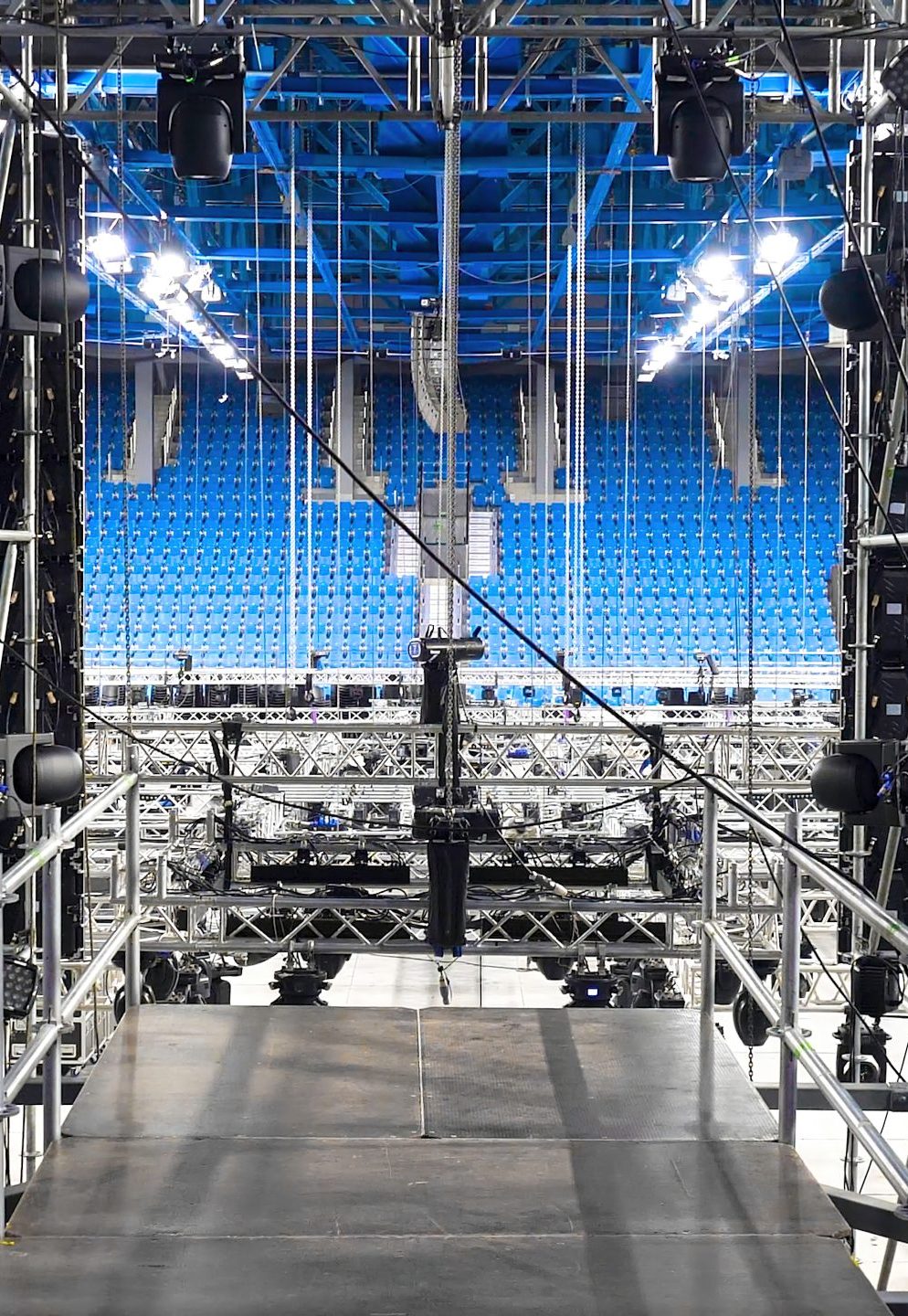
EcoPulse Full-Service Event Management Make the most of your event execution with this comprehensive, hands-on service combining AI tools and expert coordination. Tackle sustainability mandates and operational complexities by delivering eco-friendly events from planning to post-event reporting—all in compliance with ESG standards for Canadian clients in major cities like Toronto, Vancouver, Montreal, and Ottawa. Reduce costs, ensure efficiency, and achieve impactful, green outcomes. End-to-end planning: Venue and vendor sourcing, contract negotiation, and logistics coordination. Sustainability strategies: Carbon offsetting, waste reduction (e.g., composting), and green energy solutions. On-site coordination: Staff support, attendee management, and real-time adjustments. Post-event reporting: Transparent sustainability metrics and ESG-compliant audits. Bundled platform access: Use of EcoPulse SaaS at no extra cost for seamless integration. EcoPulse Full-Service Event Management Overview: C$5,000–50,000 /Per Event Make the most of your event execution with this comprehensive, hands-on service combining AI tools and expert coordination. Tackle sustainability mandates and operational complexities by delivering eco-friendly events from planning to post-event reporting—all in compliance with ESG standards for Canadian clients in major cities like Toronto, Vancouver, Montreal, and Ottawa. Reduce costs, ensure efficiency, and achieve impactful, green outcomes. What’s Included: End-to-end planning: Venue and vendor sourcing, contract negotiation, and logistics coordination. Sustainability strategies: Carbon offsetting, waste reduction (e.g., composting), and green energy solutions. On-site coordination: Staff support, attendee management, and real-time adjustments. Post-event reporting: Transparent sustainability metrics and ESG-compliant audits. Bundled platform access: Use of EcoPulse SaaS at no extra cost for seamless integration. Details Information Service Type End-to-end event planning and execution Packages Eco-Event Essentials (C$5,000, up to 100 attendees) Green Conference/Wedding (C$15,000, 300–500 attendees) Enterprise Program (C$50,000/year, multi-event) Gallery: Book this Service Book Now Ask Manager a Question

Consulting & Certification
EcoPulse Sustainability Consulting & Certification Make the most of your ESG goals with this expert advisory service focused on compliance and strategy. Overcome greenwashing risks and regulatory pressures by providing tailored guidance, certifications, and data-backed reports—all aligned with Canadian standards for organizations in key urban areas like Toronto, Vancouver, Montreal, and Ottawa. Enhance reputation, avoid penalties, and drive sustainable practices. Sustainability strategy development: Customized plans for carbon offsetting and waste minimization. Certification assistance: Support for ISO 20121 and ESG reporting under GRI and CSA. Risk assessments: Audits to identify and mitigate greenwashing vulnerabilities. Training and reports: Staff education and auditable sustainability documentation. Standalone or add-on: Flexible engagements integrated with platform or events. Sustainability Consulting & Certification Overview: C$3,000 /Per Engagement Make the most of your ESG goals with this expert advisory service focused on compliance and strategy. Overcome greenwashing risks and regulatory pressures by providing tailored guidance, certifications, and data-backed reports—all aligned with Canadian standards for organizations in key urban areas like Toronto, Vancouver, Montreal, and Ottawa. Enhance reputation, avoid penalties, and drive sustainable practices. What’s Included: Sustainability strategy development: Customized plans for carbon offsetting and waste minimization. Certification assistance: Support for ISO 20121 and ESG reporting under GRI and CSA. Risk assessments: Audits to identify and mitigate greenwashing vulnerabilities. Training and reports: Staff education and auditable sustainability documentation. Standalone or add-on: Flexible engagements integrated with platform or events. Details Information Service Type Standalone consulting and certification support Gallery: Book this Service Book Now Ask Manager a Question