
Data‑Driven Sustainability: AI and Analytics Transforming Event Planning in 2025
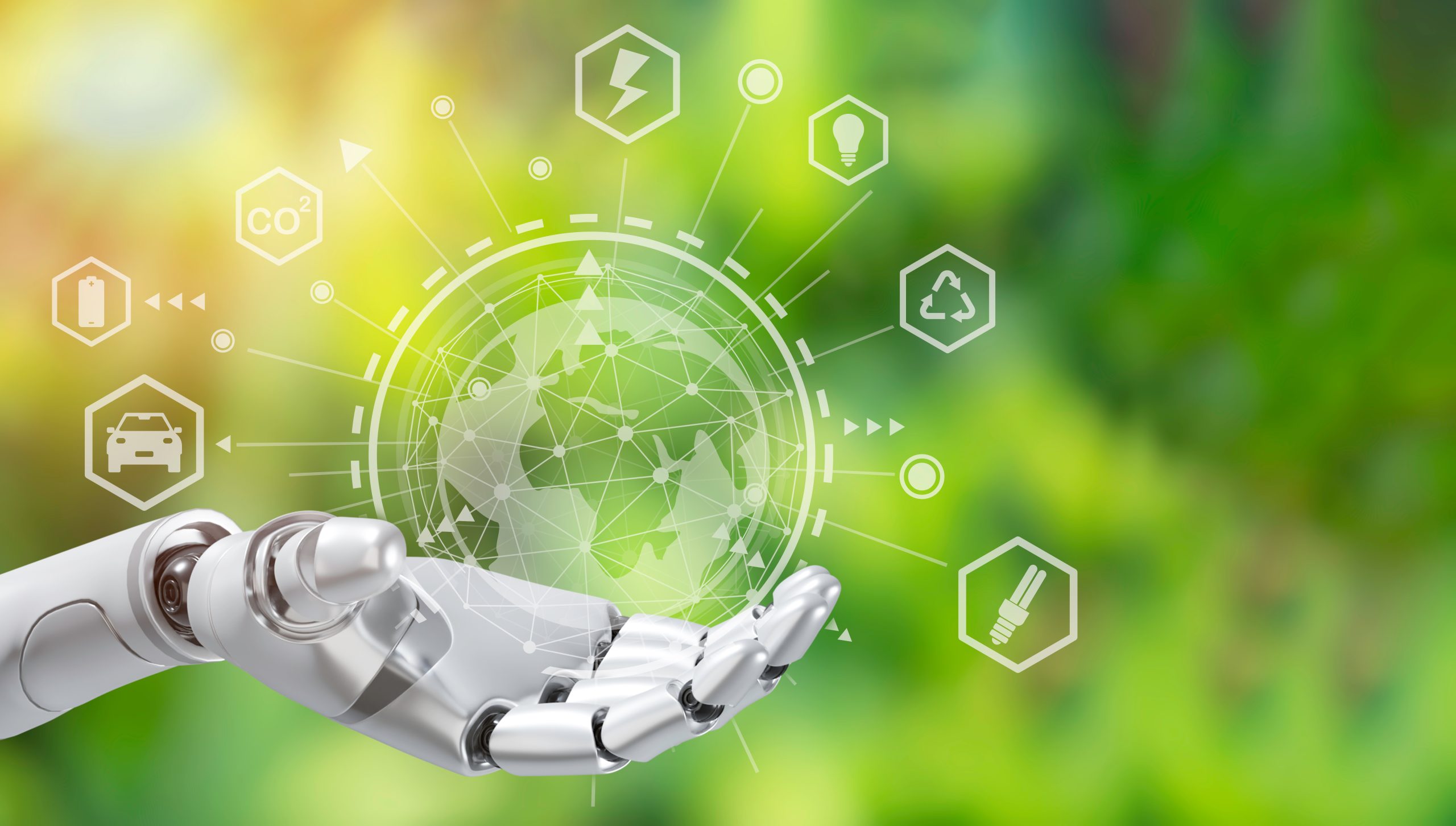
The event industry is undergoing a technological revolution. Data‑driven decision‑making and artificial intelligence (AI) are enabling planners to create tailored experiences while optimizing resources and reducing environmental impact. According to Event Industry News, data‑driven event management is revolutionizing the industry by shifting decisions from intuition to insights; real‑time analytics optimize visitor flows and post‑event insights improve future events. Meanwhile, AI is becoming indispensable, personalising experiences and analysing data in real time
Why data‑driven events matter
Traditional event planning often relies on intuition. With sustainability now central to event design, data provides the evidence needed to optimize outcomes. By analysing attendee behaviour, preferences and movement, planners can allocate resources such as transport, catering and energy more efficiently. Event Industry News notes that data reveals what participants truly want and helps avoid overcapacity. During an event, real‑time analytics allow adjustments that enhance the attendee experience while reducing resource use. After the event, data informs improvements—providing insights into participant satisfaction, ROI and environmental metrics.
AI as a game changer
AI is transforming every aspect of event planning. Event Industry News emphasises that AI optimises processes, personalises experiences and analyses data in real time, becoming a critical success factor.The IBTM World report notes that AI‑powered solutions now provide hyper‑personalised session recommendations and networking opportunities based on attendee behaviour patterns. Chatbots and virtual assistants handle registration, check‑ins and attendee queries, freeing planners to focus on strategy. AI tools can also tailor event communications for different audience segments, improving engagement. The result is a seamless attendee journey that balances efficiency with personalization.
Importantly, AI should complement human creativity rather than replace it. Event Industry News warns that over‑reliance on AI can lead to homogenized experiences in the “Age of Average,” where patterns from the past are reproduced. To stand out, brands must balance technology with authentic storytelling and bespoke design.
Advanced event technologies
Beyond AI, a suite of technologies supports sustainable event planning. IBTM World explains that event technology now includes AI personalisation engines, immersive augmented/virtual reality experiences, blockchain‑based security systems and sophisticated data analytics platforms. These tools automate administrative tasks, manage budgets and enhance attendee engagement. Data dashboards, identified as a trend in the TSNN sustainability report, track environmental impacts and drive accountability. For example, TRACE captures emissions and waste data across event operations, aligns reporting with the GHG Protocol and GRI standards and provides real‑time analytics. Such tools empower planners to monitor and reduce carbon footprints while meeting stakeholder expectations for transparency.
EcoPulse: AI‑powered planning and ESG tracking
EcoPulse leverages AI and analytics to deliver sustainable events. Its AI‑powered planning engine analyses historical data and attendee profiles to recommend low‑carbon venues, optimize schedules for energy efficiency and personalize content. Real‑time ESG dashboards monitor energy consumption, waste generation and transportation emissions, enabling on‑site adjustments. EcoPulse also integrates carbon measurement tools like TRACE, providing planners with GHG Protocol‑aligned metrics. By combining data, AI and sustainability insights, EcoPulse helps planners create events that are both engaging and environmentally responsible.
Conclusion
Data and AI are transforming event planning, enabling personalized experiences and optimized resource use. By embracing analytics and balancing technology with human creativity, planners can deliver memorable events that meet sustainability goals. Platforms like EcoPulse provide the tools to harness data and AI effectively, ensuring that your events are smarter, greener and tailored to your audience. In 2025 and beyond, the winning formula combines insight‑driven planning with authentic storytelling—technology and humanity working in harmony.